OSG to SC: Extending barangay, SK term limits means lower polling costs
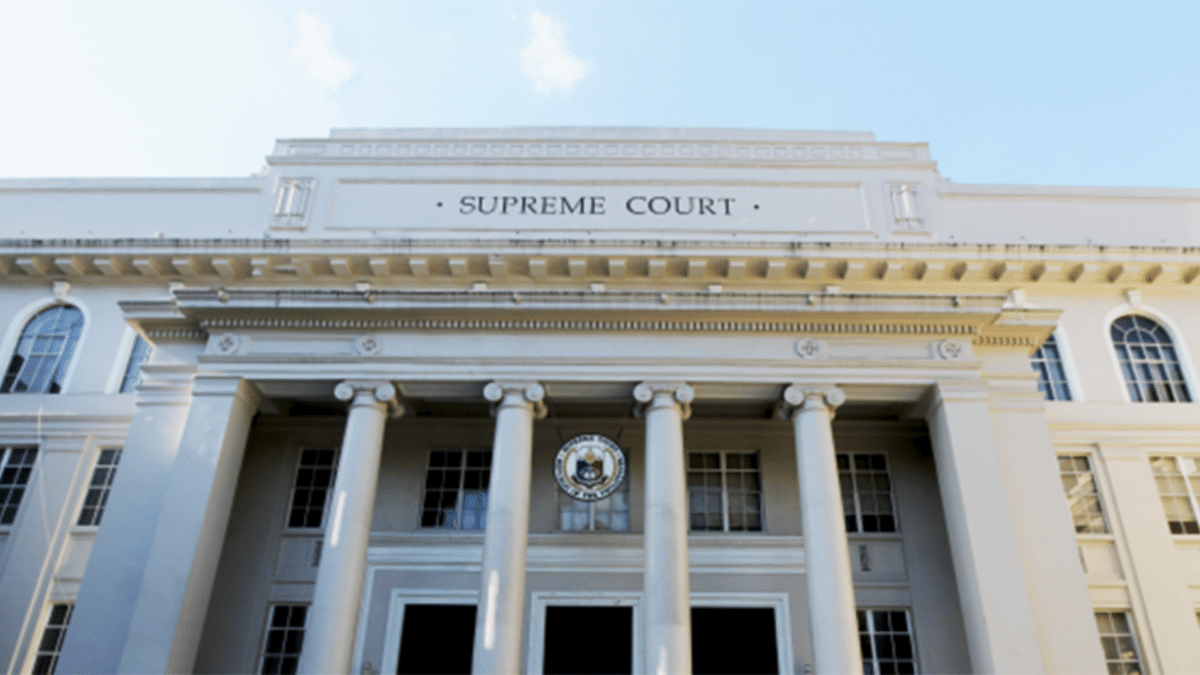
MANILA, Philippines – Government lawyers have disputed the petition challenging the law postponing this year’s Barangay and Sangguniang Kabataan Elections (BSKE) and extending the terms of office, saying the postponement was grounded in governance and budget concerns.
The Office of the Solicitor General (OSG) on Monday filed its comment on the petition for certiorari filed by election lawyer Romulo Macalintal before the Supreme Court on Sept. 28. The OSG represented the respondents, namely the Office of the President, the Senate, the House of Representatives, and the Commission on Elections (Comelec).
This was in response to a directive by the high court last week for the respondents to comment on Macalintal’s petition, which challenged the constitutionality of Republic Act No. 12326. The law reset the BSKE, originally slated for Nov. 2 this year, to Nov. 13, 2028.
READ: Barangay, youth polls reset questioned in SC
The new law also extended the term of office of barangay and SK officials to five years for up to two consecutive terms. This means an elected barangay or SK official may hold office for up to 10 straight years.
The OSG, in its comment, said that the Congress factored in “concrete governance reasons” for setting the five-year term.
Among them was that it would cut the cost of setting up polls, estimated at P19 billion per election, because a five-year term would mean fewer polls.
“A five-year term results in two elections over a ten-year period, as against three under a four-year term,” it pointed out.
A five-year term would also allow barangay and SK officials to complete projects that may take longer to execute, the OSG said.
“It affords the officials enough time to transition at the start of their term and refine their programs in the latter part of their term,” it added.
The government lawyers also noted that planning cycles are usually set at every five years, including the development plans required by the Department of Interior and Local Government (DILG) and the Philippine Youth Development Plan.
Such reasons, among others, do not make RA 12326 unconstitutional, they stressed. /jpv
The post OSG to SC: Extending barangay, SK term limits means lower polling costs appeared first on Inquirer.net.