PH boosts defense ties amid stalled South China Sea code talks
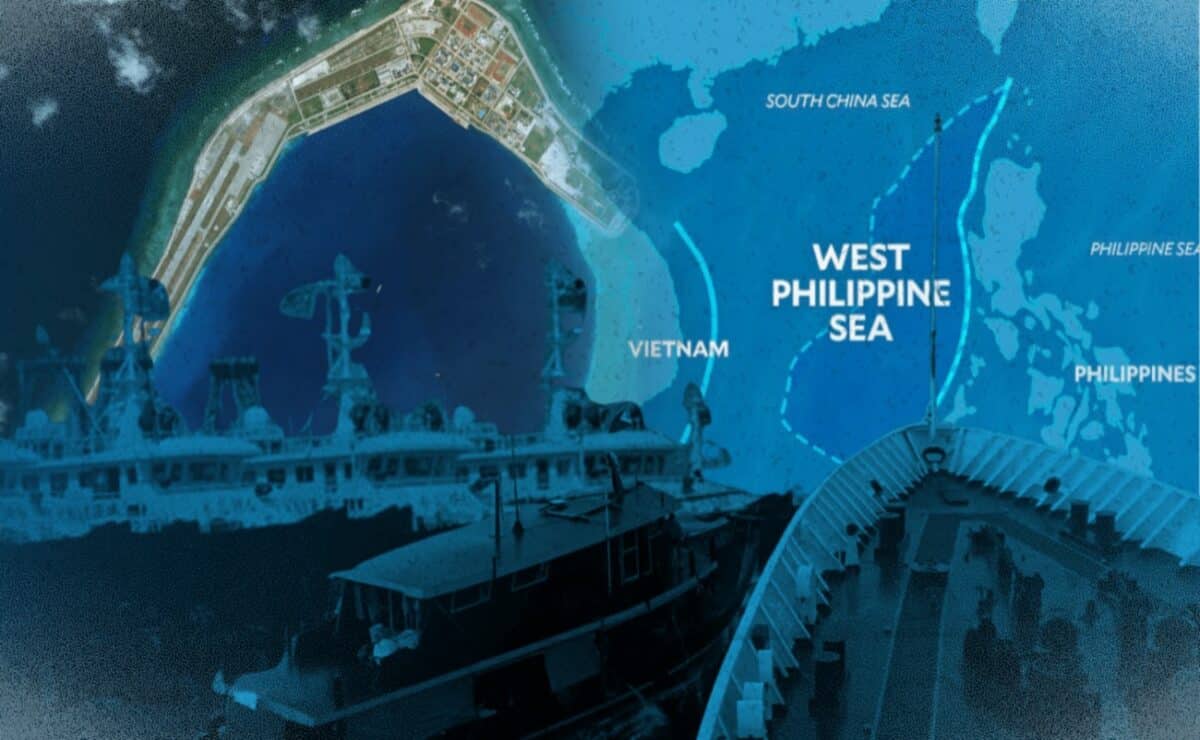
MANILA, Philippines — Despite missing the deadline to complete the long-delayed South China Sea Code of Conduct (COC) during its chairmanship and hosting of this year’s Association of Southeast Asian Nations (Asean) Summit, the Philippines secured stronger defense commitments from its neighbors and partners amid tensions with China in the West Philippine Sea.
The three-day summit, held in Manila from Nov. 15 to 17, ended without the breakthrough President Ferdinand Marcos Jr. had hoped to achieve, with negotiations on the COC remaining 80% complete.
Chester Cabalza, president of the think tank International Development and Security Cooperation, said the West Philippine Sea, which the Philippines claims based on provisions of the United Nations Convention on the Law of the Sea, became a central focus of the negotiations.
Marcos wanted the COC completed as the country hosted the 49th Asean Summit, with Palace Press Office spokesperson Claire Castro saying the President hoped an agreement would be reached before the Philippines turned over the Asean chairmanship to Singapore.
READ: Marcos wants South China Sea code of conduct finalized during Asean
Cabalza told the Inquirer that while the Philippines attempted to balance diplomatic conciliation with China on paper, “unresolved debates over the COC’s legally binding nature, geographic scope, and the inclusion of the 2016 arbitral award” prevented Manila from sealing the deal.
The Philippines, which has faced direct confrontations with China over the West Philippine Sea in recent years, had pushed for a legally binding agreement that would establish clear rules of conduct in the South China Sea and prevent maritime incidents from escalating into armed confrontations.
The COC was 50% complete when the country assumed the chairmanship this year, the Department of Foreign Affairs said. The department highlighted the “substantial completion of the negotiations” on the document, with Asean and China reaching a “provisional agreement on about 80% of the paragraphs.”
READ: COC unresolved as PH turns over Asean helm
Marcos said “everyone has worked hard to bring us to the point that we are in now,” noting that even without consensus in 2026, “Asean and China reaffirmed firm commitments to sustaining efforts toward the conclusion of the final phase of negotiations for a substantive and effective COC consistent with the United Nations Convention on the Law of the Sea.”
READ: Marcos thanks Asean, China for remaining committed to finishing COC
But maritime law expert Jay Batongbacal said that while he expected Asean to try again to advance the process next year in Singapore, “the same obstacles will still be there … what you call the milestone issues or threshold issues that … are most difficult to resolve will still be there.”
READ: Failure to finalize South China Sea code was expected – expert
Constrained
Cabalza said the negotiations were constrained by Asean’s consensus-based and noninterference decision-making system, which allows individual member states to influence or prevent the adoption of agreements. He cited Laos as an example of a country that could exercise considerable leverage under the consensus rule.
This, he said, could potentially affect the strength of the final document and result in language more favorable to China.
Cabalza also stressed that Singapore’s 2027 chairmanship was not guaranteed to prioritize maritime security, saying it could instead focus on other regional initiatives that may be easier to advance, including climate-related cooperation and environmental agreements concerning the high seas.
The unresolved issues raise questions about whether the momentum generated during the Philippines’ chairmanship can be sustained or whether negotiations will face further delays next year or beyond, given Asean’s consensus-based decision-making process and the differing political and economic interests of its member states.
Significant win
Despite failing to meet the deadline, the Philippines offset the lack of a binding Asean-China agreement on conduct in the South China Sea by securing bilateral security commitments on the sidelines of the summit, including a new defense agreement with Australia.
The agreement provides a framework for deeper cooperation in maritime domain awareness, littoral operations, logistics and sustainment, cyber defense, secure communications, joint operations planning, force protection and defense infrastructure development.
The Philippines and Australia are expected to consult each other on contingencies that may affect sovereignty or shared defense and regional security interests and consider appropriate measures in response by strengthening security in the region “through investing in development, defense and diplomacy in support of sovereignty, peace and stability.”
READ: PH, Australia affirm security and defense cooperation
Japan also emerged as an important security partner during the Philippines’ Asean chairmanship, with discussions focusing on strengthening defense cooperation and improving the country’s maritime capabilities.
During the summit, Japan indicated that it was seeking to accelerate negotiations on the possible transfer of destroyers to the Philippine Navy.
The Philippines’ security discussions during the summit also coincided with the visit of U.S. President Donald Trump, who met with Marcos in Malacañang on Nov. 18.
The two leaders reaffirmed the longstanding alliance between Manila and Washington, anchored in the 1951 Mutual Defense Treaty.
During their meeting, Trump was asked about his level of concern over tensions in the West Philippine Sea and the readiness of the United States should the Philippines invoke the defense agreement.
His response was brief: “I’m not concerned at all. I’m not concerned about that at all. That’ll be taken care of.” /dm
The post PH boosts defense ties amid stalled South China Sea code talks appeared first on Inquirer.net.