Ridon: We respect ties with China, but West Philippine Sea is ours
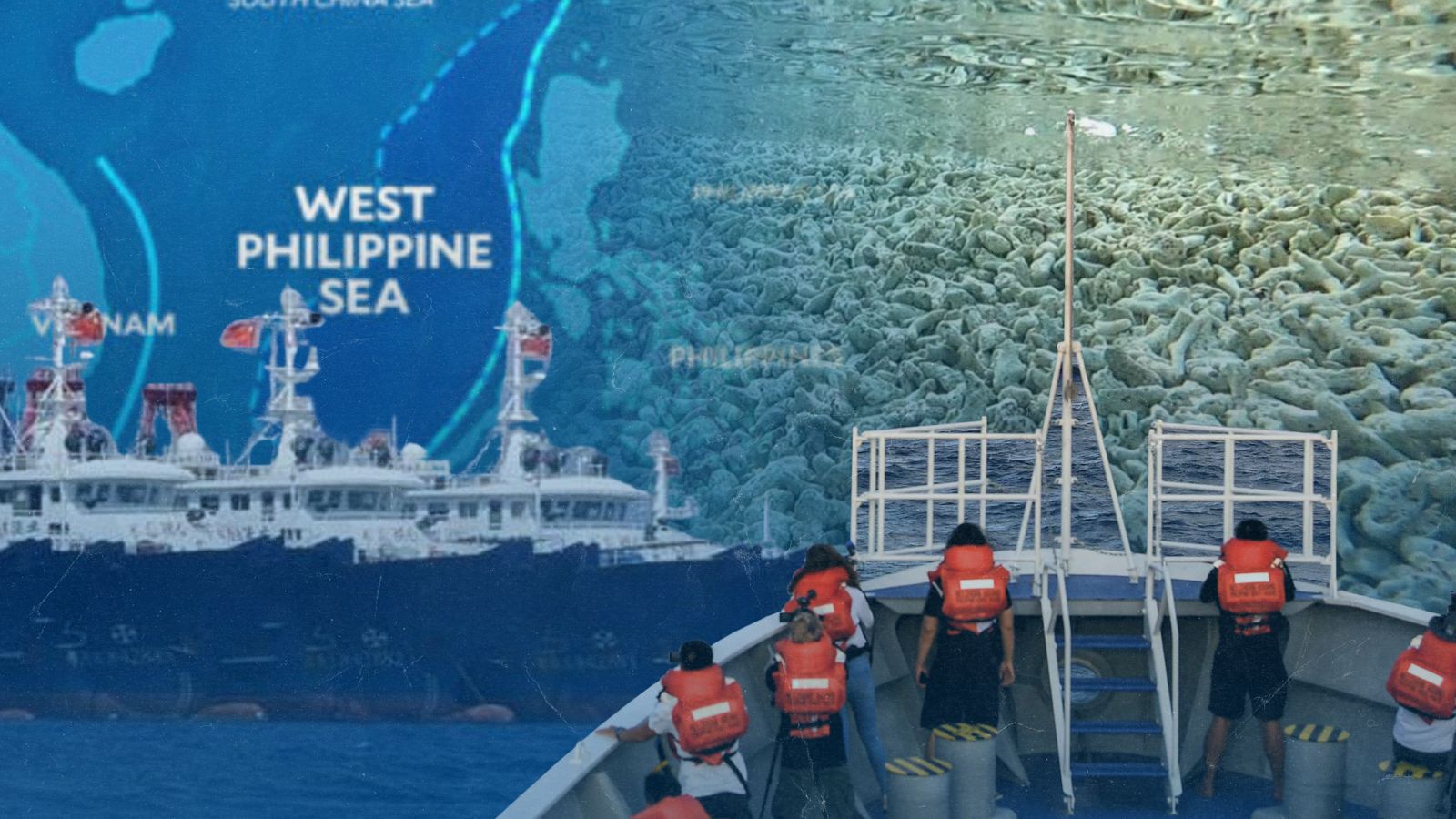
MANILA, Philippines — While ties with China on different aspects like diplomatic, economic, trade, and culture must be respected, Bicol Saro party-list Rep. Terry Ridon reminded authorities on Sunday that there is a line drawn in terms of the West Philippine Sea (WPS) ownership.
In a statement, Ridon said: “With the opening of the Asean [Association of Southeast Asian Nations] Summit today, it is important to clarify: The West Philippine Sea belongs to the Philippines. The West Philippine Sea is for the Filipinos.”
“Although we have relations with China in different aspects, from diplomatic, economic, trade, cultural, and other areas, there is a red line in discussions about the WPS,” he added.
Ridon issued the statement as Asean member states meet again to discuss several matters, including security concerns over the region, especially since several nations have claimed ownership of different portions of the South China Sea.
“Ang sovereign rights of the WPS, the use of resources under the seabed, islands, and waters of the WPS are for the Philippines only. These are for Filipinos only,” he noted.
The Philippines is hosting the 49th Asean Summit and Related Summits from Nov. 15 to 17, for regional leaders to discuss key political, security, and economic issues.
The main events will be held at the Philippine International Convention Center in Pasay City.
Aside from Asean leaders, several heads of state and high-ranking officials from other areas are expected to attend, like United States President Donald Trump, Brazilian President Luiz Inácio Lula da Silva, Indian Prime Minister Narendra Modi, Japanese Prime Minister Takaichi Sanae, Australian Prime Minister Anthony Albanese, and Canadian Prime Minister Mark Carney.
Chinese President Xi Jingping will not attend, but Premier Li Qiang will be in Manila for the summit.
Li’s attendance, however, comes as Manila and Beijing’s ties were strained due to tensions over the disputed portions of the South China Sea, and the Chinese Embassy in the Philippines’ dispute with several local officials, including Philippine lawmakers.
READ: No Xi, but Li of China expected in PH-hosted Asean summit
Last October, some members of the Philippine House of Representatives called out Chinese Ambassador to the Philippines Jing Quan for saying that while China can easily win in a military contest, it seeks a peaceful resolution to the dispute.
READ: China can ‘easily win’ using force, but wants peace, says envoy to PH
The envoy warned that the Philippines faced a greater risk of confrontation if it did not reestablish direct military-to-military communications, which have been suspended by Defense Secretary Gilberto Teodoro Jr. for about three years now.
According to members of the House’s Young Guns bloc, true peace will not be attained if one side makes threats, saying that Jing’s statements carry a threat, not an assurance of peace.
“Threat is not an assurance of peace,” Deputy Speaker Paolo Ortega V said last Oct. 16. “When a larger power tells a smaller nation that it could easily win if it chose force, it is not offering security. It is asserting dominance and expecting silence in return. That is the opposite of peace.”
READ: Solons to Chinese envoy: No peace if one party uses threats
Due to this squabble, former Surigao del Norte Rep. Robert Ace Barbers and Mamamayang Liberal Party-list Rep. Leila de Lima separately warned the Philippines about the possibility of China suddenly playing negotiator when Asean member-states convene for the 49th summit.
Barbers said last Oct. 29 that Philippine authorities should be wary of the possible “double-talk” from China, noting that it cannot be a good negotiator if it cannot even peacefully settle differences over the WPS.
The former lawmaker clarified that he is not prejudging China’s intentions. Rather, he would prefer authorities to be on guard, considering the said country’s aggressive actions over disputed waters.
In 2016, the Permanent Court of Arbitration (PCA) ruled in its award that the Philippines has exclusive rights over its waters, including the WPS, as China’s nine-dash line claim lacks legal or historical basis. This means that the WPS, a body of water that forms part of the South China Sea, belongs to the Philippines as it sits inside the country’s exclusive economic zone.
READ: PH wins arbitration case over South China Sea
China has insisted, however, on ownership of many islands inside the WPS, despite the award.
Philippine-Chinese ties recovered during the administration of President Rodrigo Duterte, who once called the PCA award a piece of paper that can be thrown in the waste bin. But since President Ferdinand Marcos Jr. assumed office in 2022, relations have been strained again, as his administration insists that the Philippines will not cede an inch of its territory to foreign powers.
Several incidents between the two countries’ water assets have been well-documented: just this July, the Armed Forces of the Philippines reported that a Navy man was injured after members of the Chinese Coast Guard (CCG) assaulted him during a confrontation at Ayungin Shoal.
READ: China behaves like ‘riding-in-tandem’ criminals over waters, solon says
In August 2023, a CCG vessel water-cannoned Philippine vessels which were only trying to bring supplies to soldiers at BRP Sierra Madre.
In response to the event, China claimed that a former administration promised to remove BRP Sierra Madre from Ayungin, but the promise has not been acted upon. Marcos then said that he has not made that agreement, and if such a deal exists, it has already been terminated. /atm
The post Ridon: We respect ties with China, but West Philippine Sea is ours appeared first on Inquirer.net.